Becoming more sustainable with renewable gas
Discover how companies and organisations can use renewable gas certificates to decarbonise.
How renewable gas can help your organisation?
Renewable gases are produced using different processes and feedstocks. If the sustainability criteria are met, they can be considered sustainable according to the Renewable Energy Directive Article 29.
The most common renewable gases are biomethane and renewable hydrogen but other gases such as ammonia, methanol or e-methane are also included.
By purchasing renewable gas, organisations of all sizes can contribute to a more sustainable energy system and combat climate change. This may also help reach their own decarbonisation targets, as well as those set at the European and national level.
When injected into a gas grid or transported in another mixed system, the value of renewable gas is recorded with renewable gas certificates that protect against double counting and indicate the origin and sustainability of the gas to consumers. The certificates in use today in Europe are the Guarantee of Origin, Proof of Sustainability, and several national certificate types.
This website is part of the European Renewable Gas Registry (ERGaR) campaign to provide clear and objective criteria on renewable gas certificates.
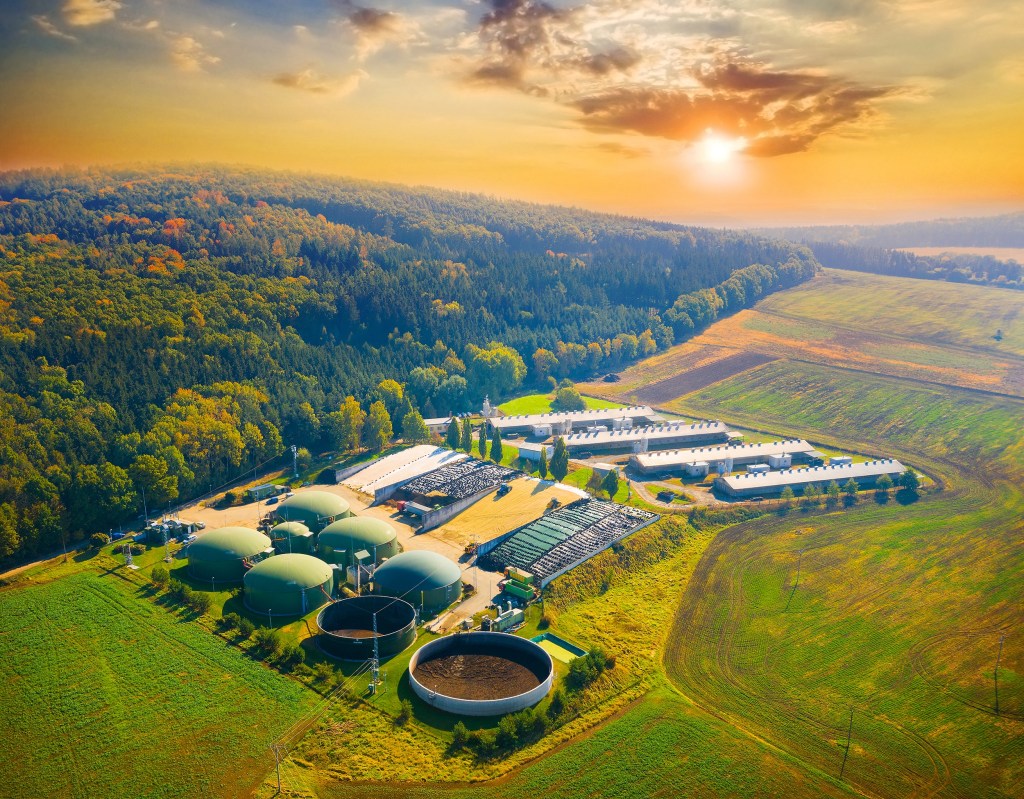

Renewable Gas Certificates
Renewable gas certificates assure gas consumers that the product they are using comes from a renewable source and/or is produced sustainably. Different renewable gas certificates are available.
Carbon reporting
Many companies now have ambitious carbon reduction targets. Switching to renewable gas can play an important role in supporting those targets.

Compliance
Specific renewable gas certificates can be used to comply with different obligation schemes such as the EU Emission Trading Scheme or national quotas.
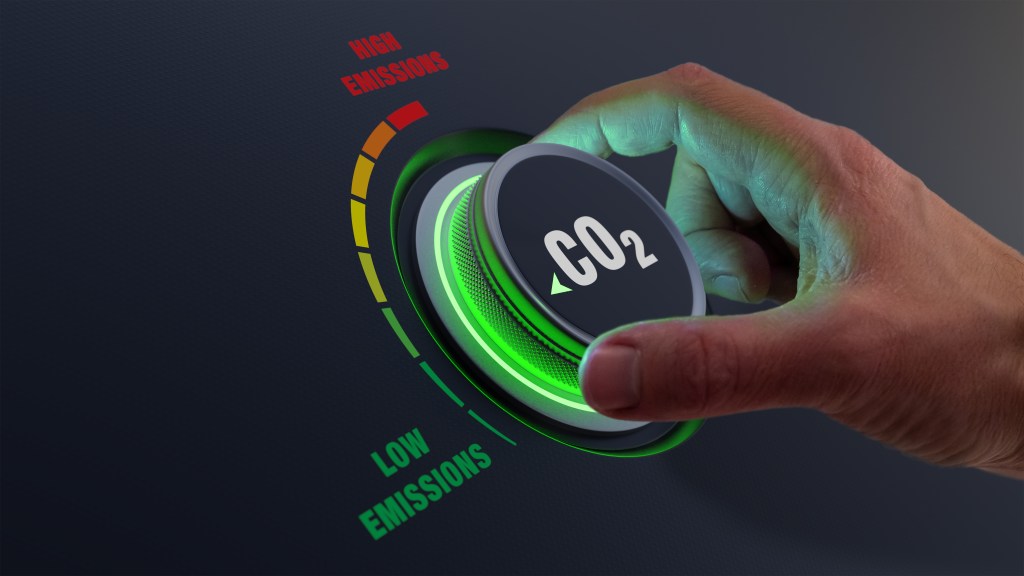

Procurement
Almost all biomethane certificates are being traded in an over-the-counter market and can be purchased directly from producers or via intermediaries.

Need more help?
This website is part of a campaign launched by the European Renewable Gas Registry (ERGaR) with the aim of raising awareness about the role renewable gas certificates can play for companies that are seeking to reduce their carbon emissions.